

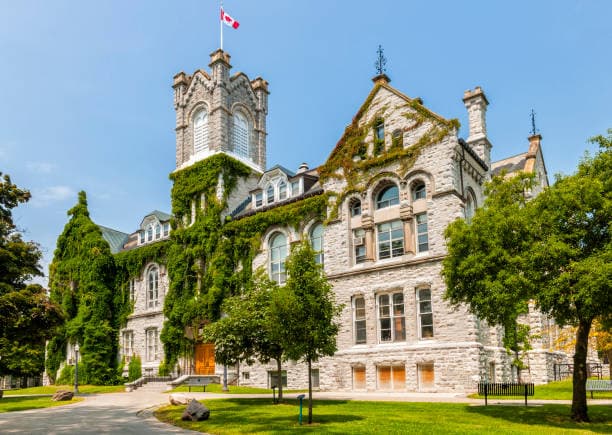
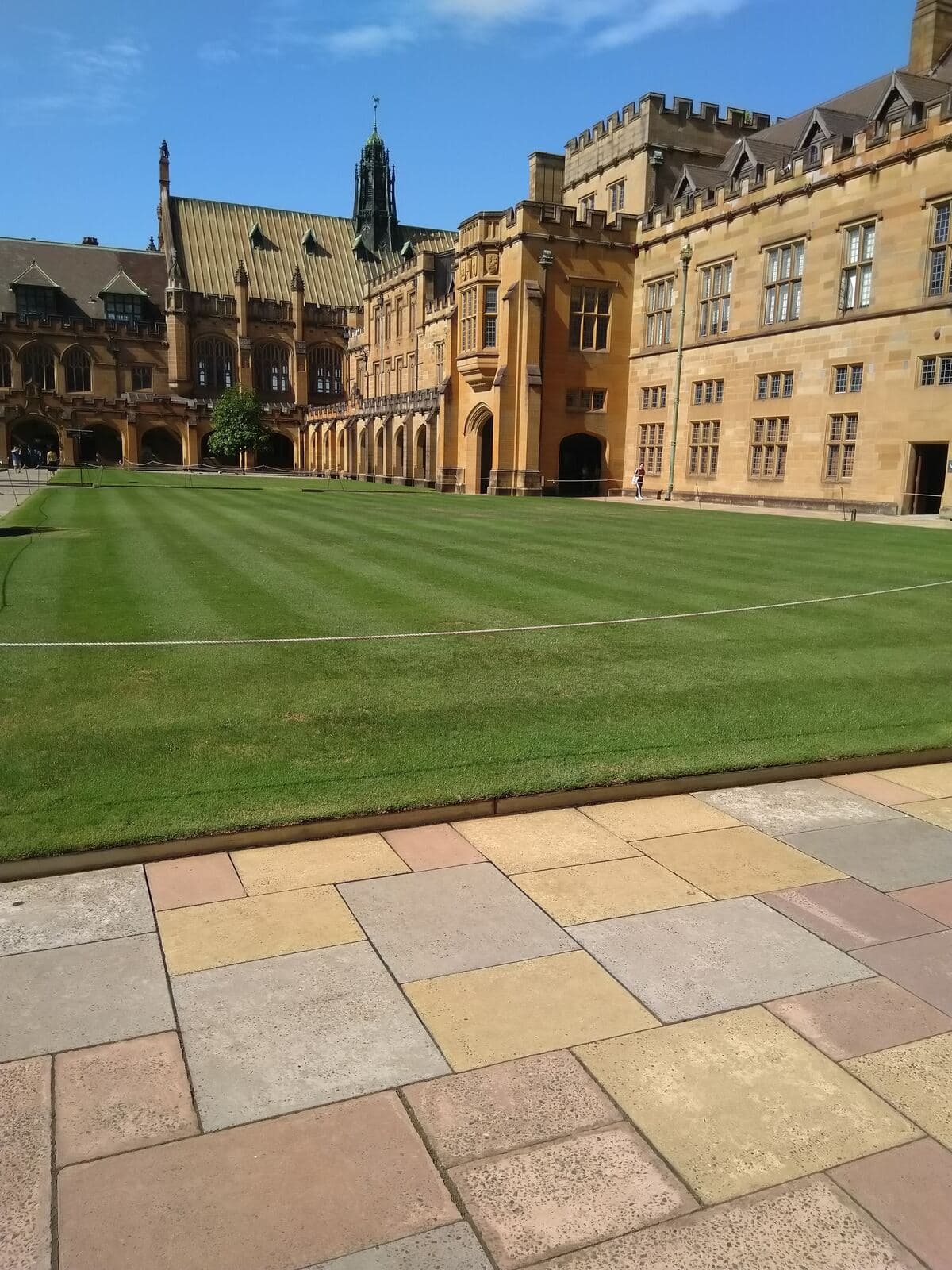
Modern architectural precision meets historic academic rigor.
University Housing Shouldn't Be Guesswork.
Structured decision-support and personalized residence fit-scores based on 20+ lifestyle variables.
University housing network
Active Research Hubs.
Live housing sites, each tuned to campus-specific residence structures, geography, and community patterns.






Evergreen analysis
The Decision Lab: Analysis & Insights.
A Quantitative Analysis of Residence Noise Levels
How shared-room density, hallway activity, and special-floor placement shift day-to-day study conditions.
Research ReportSpatial Proximity and First-Year Study Adherence
A structured review of commute friction, campus core access, and the routines students actually sustain.
Research ReportCommunity Fit Modeling for Federated College Systems
Why U of T college membership behaves like a routing constraint, not a soft lifestyle preference.
Research ReportRoutine Structure vs. Independent Living Readiness
A framework for identifying when suite, townhouse, and apartment-style housing becomes a mismatch.
Research ReportCampus Core Access and Perceived Commute Burden
Comparing straight-line distance with the felt cost of satellite residences across Ontario campuses.
Research ReportShared-Bedroom Tradeoffs in First-Year Residence Markets
When social energy compensates for room-sharing constraints, and when it does not.
Methodology
Structured decision support, not generic ranking.
Each housing hub blends campus-specific residence metadata with a multi-variable fit model built to surface hard constraints, social tradeoffs, and geographic realism.
Routine, social energy, commute tolerance, independence, room style, and eligibility-linked routing signals.
Ontario-specific rules for college systems, satellite residences, suite demand, and independent-living thresholds.
The yellow fit-score logic highlights where a match is strong, where tradeoffs appear, and what conditions drive the ranking.